

Rate Information
Budget and Rates Process
As a public utility, we set rates to cover the costs of essential services. This includes the cost of providing safe, reliable services, maintaining our systems, protecting natural resources near our facilities, complying with regulations, supporting a specialized workforce, and investing in upgrades that improve your services.
We operate on a biennial budget cycle. This fall, our 2027-2028 budget will go to the Public Utility Board and Tacoma’s City Council for approval. Our proposal will include rate adjustments for water and power. Rate adjustments for Wastewater, Solid Waste, and Stormwater are prepared by Environmental Services.
Learn how we support our customers with payment assistance programs and ways to manage your bill.
Proposed 2027-2028 Rate Adjustments
-
The proposals show the estimated average monthly adjustment as a percentage and dollar amount. Actual monthly charges will vary based on use.
Tacoma Power
- 2027 – 6.2% or $7.40 monthly *
- 2028 – 6.2% or $8.59 monthly *
Rate adjustment goes into effect in April each year.
Tacoma Water
Inside City of Tacoma
- 2027 – 5.6% or $2.99 monthly
- 2028 – 5.6% or $3.17 monthly
Outside City of Tacoma*
- 2027 – 5.6% or $3.59 monthly
- 2028 – 5.6% or $3.74 monthly
Rate adjustment goes into effect in January each year.
*Rates in University Place are slightly higher due to a 6% utility tax from the City of U.P.
-
The proposals show the estimated average monthly adjustment as a percentage and dollar amount. Actual monthly charges will vary based on use.
Tacoma Power
Small General Business (B rate)
- 2027 – 8.1% or $12.52 monthly *
- 2028 – 8.1% or $15.16 monthly *
General Business (G rate)
- 2027 – 10.8% or $418 monthly *
- 2028 – 10.8% or $535 monthly *
Rate adjustment goes into effect in April each year.
Tacoma Water
Commercial
Inside the City
- 2027 – 5% or $19.86 monthly
- 2028 – 5% or $20.98 monthly
Outside the City of Tacoma
- 2027 – 5% or $23.80 monthly*
- 2028 – 5% or $25.12 monthly*
Parks & Irrigation
CCF (Variable)
- 2027 5.6%
- 2028 5.6%
Rate adjustment goes into effect in January each year.
*Rates in University Place are slightly higher due to a 6% utility tax from the City of U.P.
Residential Rate Information
-
(Download File)Ver información de tarifas
-
(Download File)금액 보기
-
(Download File)Xem thông tin giá
-
(Download File)Переглянути пропозиції зі зміненими цінами
-
(Download File)Посмотреть предложения по ставкам
-
(Download File)មើលព័ត៌មានអត្រា
-
(Download File)Eeg macluumaadka qiimaha
-
(Download File)Vakai ki he Fakamatala Totongi
-
(Download File)View Rate Information
Commercial Rate Information
-
(Download File)Ver propuestas de tarifas comerciales
-
(Download File)Xem các đề xuất mức giá thương mại
-
(Download File)상업용 가격 제안서 보기
-
(Download File)មើលសំណើអត្រាពាណិជ្ជកម្ម
-
(Download File)Посмотреть предлагаемые тарифы для коммерческих потребителей
-
(Download File)Переглянути пропозиції тарифів для комерційних підприємств
-
(Download File)View Commercial Rate Proposals

What Rates Cover
How We Control Rates
Factors Impacting Rates
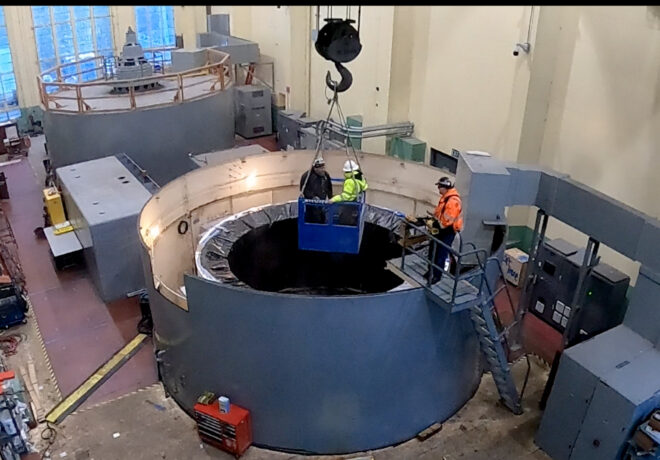
Infrastructure costs continue to rise as utilities work to maintain and improve essential systems.
This includes things like:
- ongoing pole replacements
- upgrades to electric system equipment such as transformers, and routine substation maintenance
- drinking water main and pipe replacements
Operational costs are increasing as well, including:
- competing for specialized labor
- investing in new technologies
- adapting operations to address the impacts of climate change
- complying with evolving regulatory and legal requirements
- rising health care expenses
Together, these factors influence the rates needed to maintain safe, reliable, and sustainable utility services.
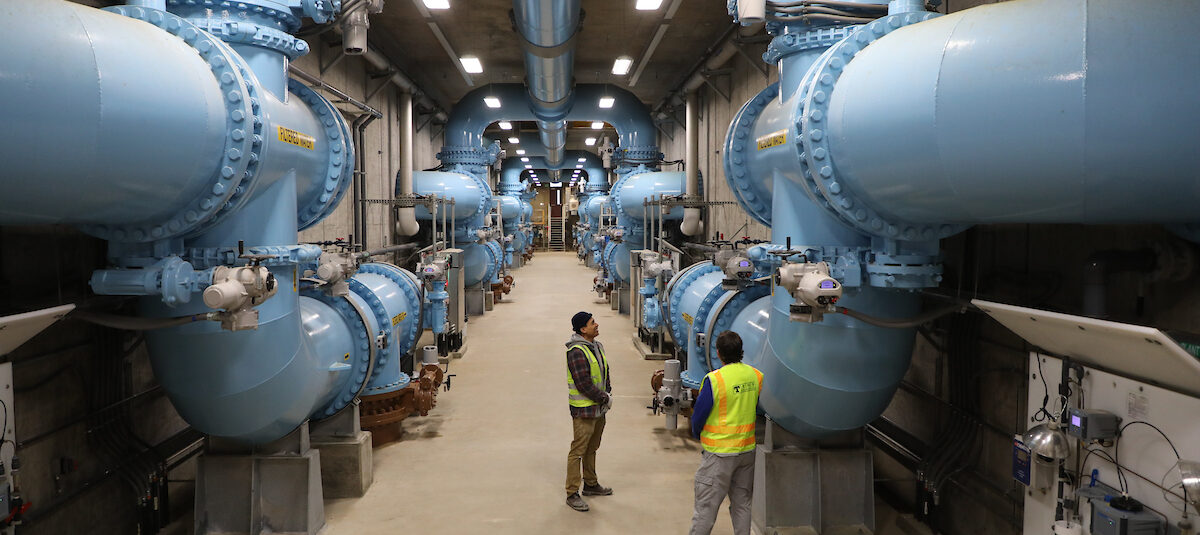
Green River Headworks Green River Headworks
Frequently Asked Questions
-
No, data centers are not driving the proposed rate adjustments. Power and Water rates are based on cost–of–service models. This means that customers pay rates that reflect the cost for the water and power they receive. Customer costs for one group are not spread among other customers.
-
The main drivers for the rate adjustments in the 2027/2028 proposal rate are not related to population growth.
Population growth generally allows the utility to spread its operating costs over a larger number of accounts. New service connection fees also help pay for infrastructure needed to support increased demand. However, sustained population growth can increase utility costs. As the customer base expands, we must invest in system upgrades and capacity expansions to maintain reliable service. These improvements also lead to higher operation and maintenance costs.
The primary drivers this biennium are cost increases for materials needed to maintain and enhance reliable service delivery. Operational costs continue to rise as we compete for specialized labor, invest in new technologies, and comply with evolving regulatory and legal requirements.
-
Single-family residential customers within the City of Tacoma average 6 CCF (4,488 gallons) of water consumption during winter months (January through May and October through December) and 9 CCF (6,732 gallons) of consumption during summer months (June through September).
Average residential consumption for electricity is approximately 965 kWh a month; usage may vary based on appliances, size, and dwelling type (apartment or single- family home).
-
Tacoma Power generates revenue by selling excess electricity in the wholesale market. However, these sales and revenue depend on market conditions, how much extra electricity is available, and the prices other utilities are willing to pay. Because Tacoma Power cannot control how much electricity it sells or the prices it receives, this revenue can vary significantly from year to year. Tacoma Water receives revenue from activities like timber and land sales, rental contracts, and temporary water supply contracts. Both Tacoma Water and Tacoma Power pursue low-interest loans, grants, and bonds to help mitigate rate adjustments.
-
Moving to 80% AMI is already factored into the current rate adjustments.
Each operating division sets aside funds to help low-income customers and those who are infirm, as allowed by state law. These costs are shared across all customer classes, so the impact on any individual customer’s rates is minimal. Additionally, the state’s Clean Energy Transformation Act requires utilities to ensure that low-income households have access to an energy assistance program.
While these programs are funded through customer rates, the vast majority of rate revenue supports the core operations needed to provide safe, reliable utility service.
-
Tacoma Water anticipates that the proposed rate adjustments will generate approximately $21M in additional revenue over the upcoming biennium.
Tacoma Power anticipates that the proposed adjustments will generate approximately $82M million dollars of additional revenue over the upcoming biennium.